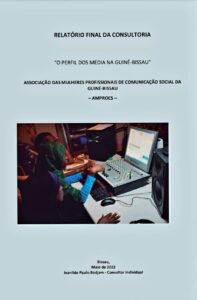
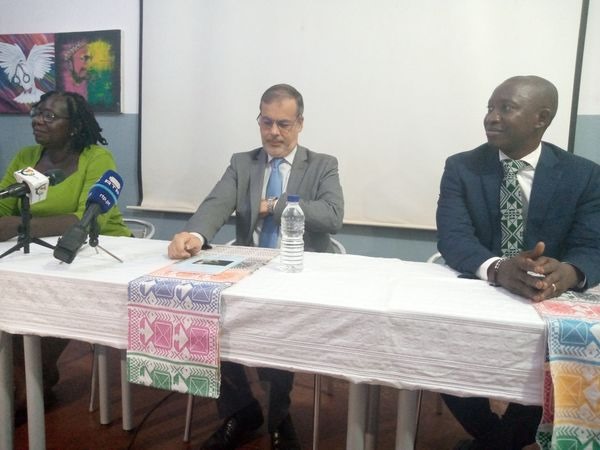
On the nineteenth (19th) day of October 2021, AMPROCS launched the final report of the consultancy on “The Media Profile in Guinea-Bissau”.
The Association of Women Media Professionals (AMPROCS) in collaboration with the members of the consortium, in particular the Guinean League for Human Rights (LGDH) has launched the final report of the consultancy on “The Media Profile in Guinea-Bissau”.
The study reveals the vicissitudes affecting the Guinean media in various ways.
On the occasion, the President of the Association of Professional Women in the Media, Paula Melo, reaffirmed that the percentage of female representation in the various Guinean media is still low, although there are frequent debates about gender equality in the country.
“According to this study, the percentage of women in the Guinean press does not exceed 22%, and it was possible to identify women leaders in only two private media, namely: Radio Mulher in Bafatá and Radio Nossa in Bissau, data that reflects the irrelevant position of women in the Guinean media,” said Paula Melo.
According to the president of AMPROCS, the study also confirms that around 89% of Guinean press professionals, especially in private and community media, receive less than 100,000 CFA francs a month, which she believes undermines the principles of independence and objectivity in Guinean journalism.
Paula Melo went even further, announcing that data from the study shows that almost 71% of journalists do not have formalized employment contracts and are not even registered with the social security system.
Faced with such scenarios, AMPROCS promised that, as an organization that defends the rights of female media professionals, it will work to reverse the current situation faced by Guinean media professionals and consequently contribute to raising their professional standards.
It is also a call to national authorities to assume their responsibilities in terms of guaranteeing the safety of press professionals, as well as working to improve the conditions of the media through subsidy programs.
Present at the public presentation of the final report on “The Media Profile in Guinea-Bissau”, the Portuguese Ambassador to Guinea-Bissau, José Caroço, considered the study presented here to be pertinent and timely, and also expressed the need to continue with gender partnerships.
Characteristics of the Guinean Media
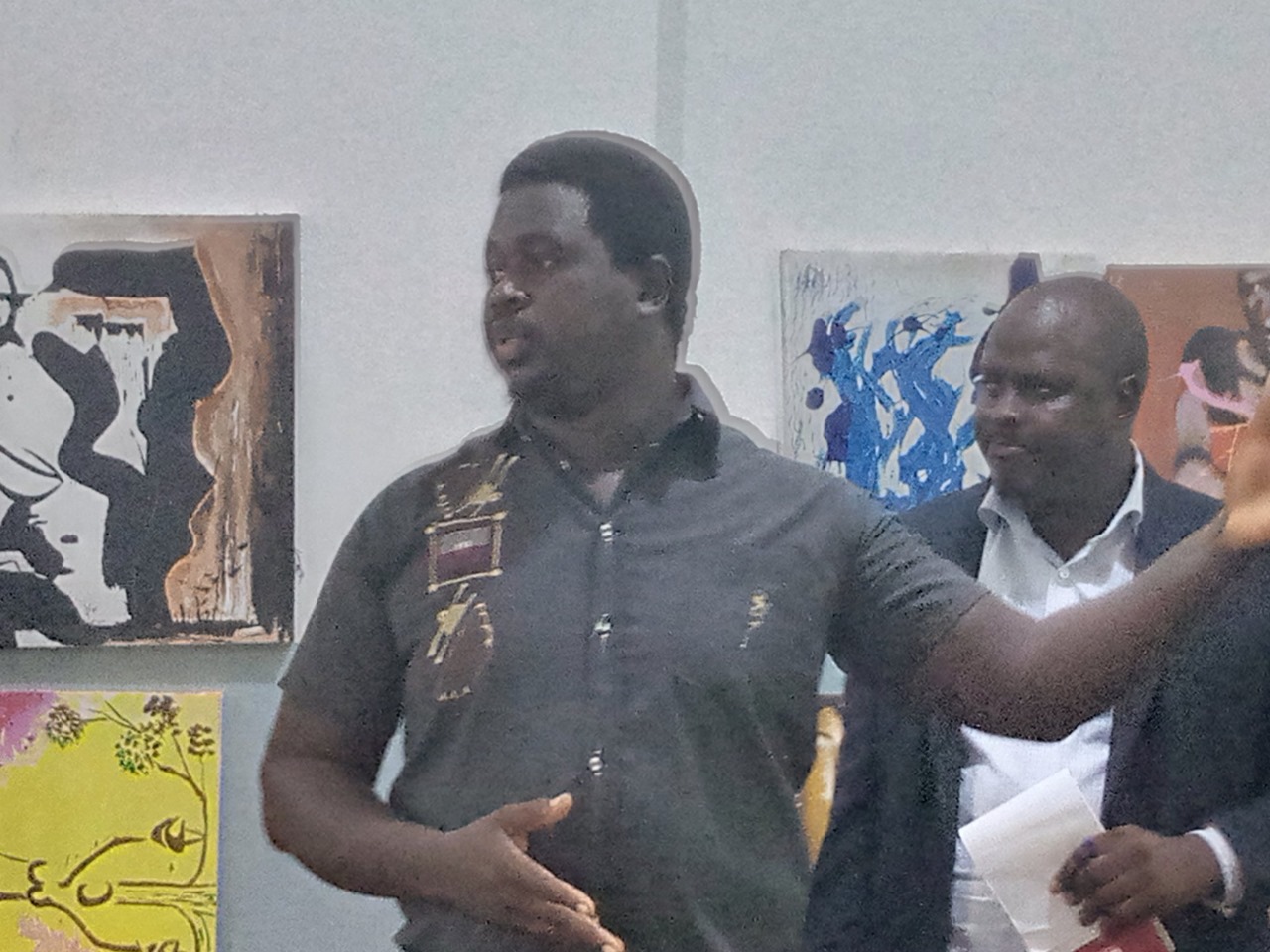
Figure 2 – Ivanildo Bodjam, Consultant
In addition to pointing to the lack of financial independence on the part of the newsmakers and the lack of subsidies for the media from the state as one of the ills affecting the Guinean press, Ivanildo Bodjam, a consultant and author of the aforementioned study, said that more than 90% of the press are operating in rented buildings.
For Bodjam, there is no great attraction today for the products produced by the Guinean mass media due to the proliferation of online media, which are now putting the traditional media in a bad light in terms of financial income.
Based on the results of the study, the consultant said that journalism in Guinea-Bissau is in crisis due to political interference, which in many cases leads to censorship and self-censorship of information.
It is hoped that this study will help solve future needs with a view to transforming the media landscape in Guinea-Bissau.
Alongside this ceremony, a Study Center was also inaugurated at the House of Rights
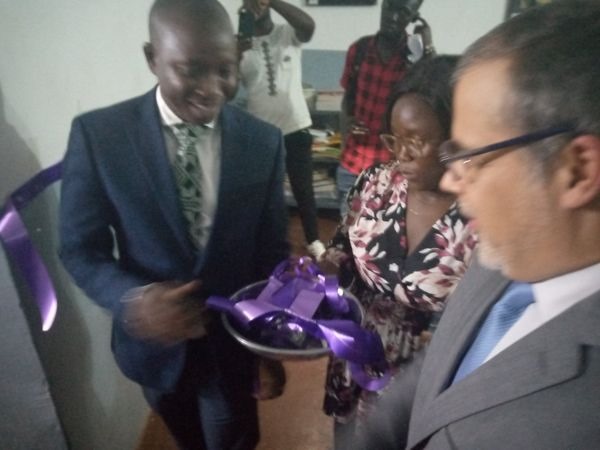
Figure 3 – President of the LGDH inaugurating a Study Center at the House of Rights
Following the inauguration of the study center, the President of the Guinean Human Rights League assured the press that the center would enable visitors to the house to develop a reading habit and provide them with the tools to effectively carry out their research.
With this in mind, LGDH would like to express its gratitude to Portuguese Cooperation, the institution that helped make this initiative a reality.
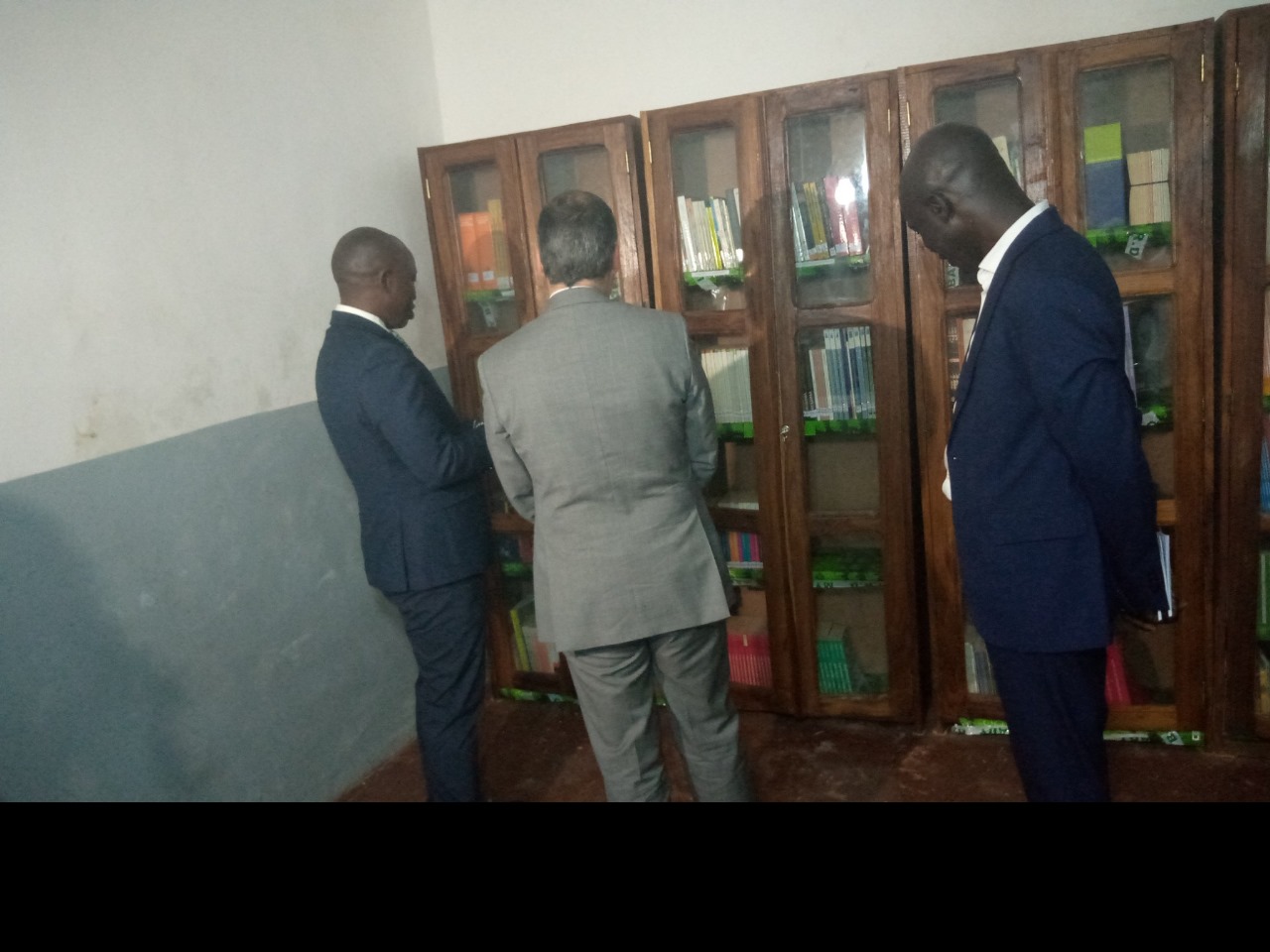
Figure 4 – Study Center at the House of Rights
For the Portuguese ambassador to Guinea-Bissau, the selflessness of the volunteers who contributed to the project is immeasurable. He also assured that the center will allow Guinean society to deepen its understanding of human rights.