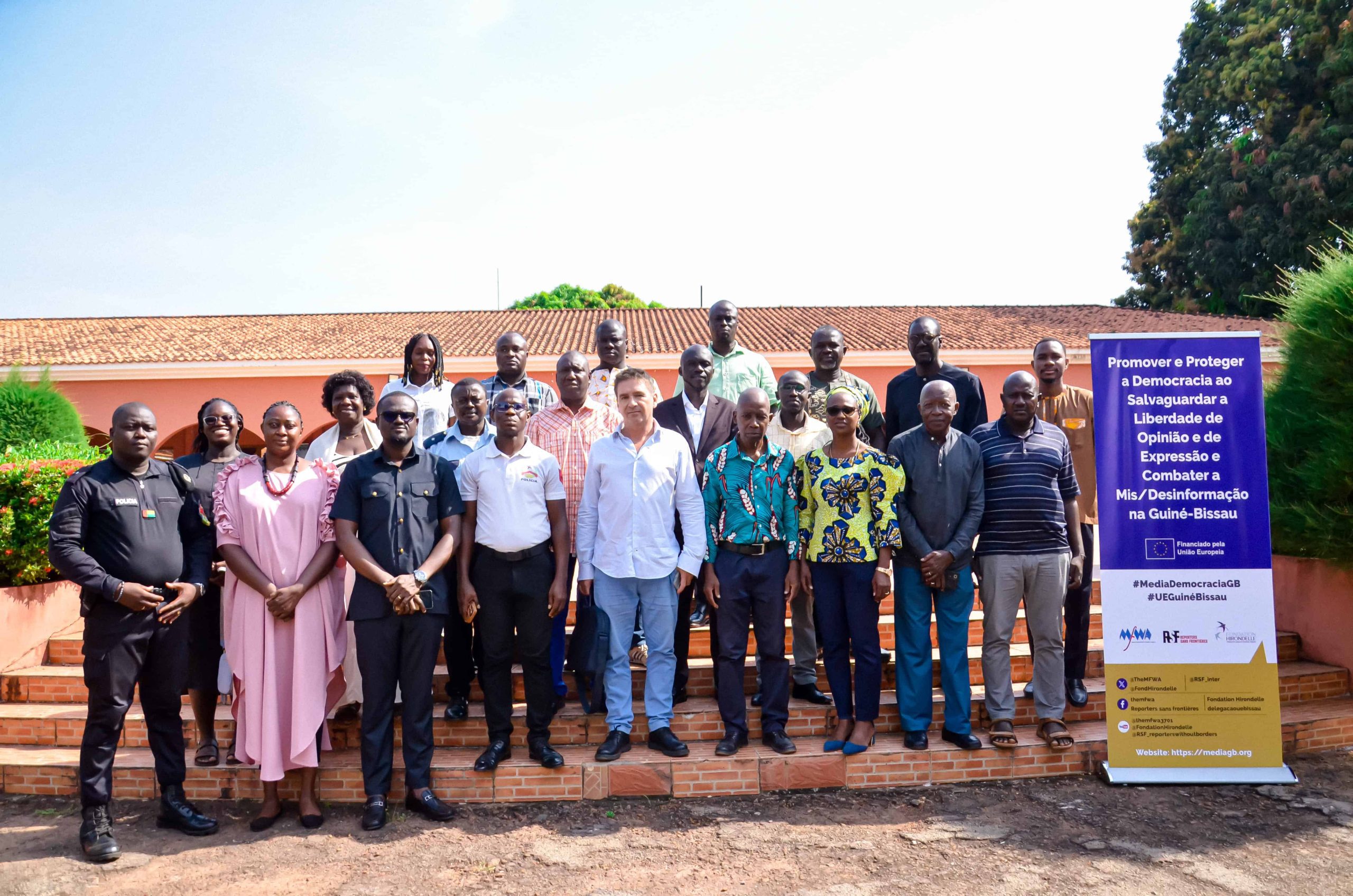
On Thursday, November 6, 2025, the Media Foundation for West Africa (MFWA), in partnership with Reporters Without Borders (RSF) and the Fondation Hirondelle (FH), held a national forum at the Hotel Dunia in Bissau. The event aimed to strengthen collaboration between journalists, state actors and security forces, with a focus on protecting media professionals ahead of the 2025 elections in Guinea-Bissau.
Organized as part of the European Union-supported initiative entitled “Promoting and Protecting Democracy by Safeguarding Freedom of Opinion and Expression and Combating Mis/Disinformation in Guinea-Bissau”, the forum aimed to promote the adoption and operationalization of the Comprehensive National Framework for the Safety of Journalists. This framework, made up of representatives of the main security forces and media organizations, was created as part of a previous project implemented by the MFWA with funding from the European Union.
At the center of the debate were the roles and responsibilities of the security forces in ensuring that journalists can carry out their work freely and safely, especially during high-risk periods such as elections.
In his opening speech, Dr. Daniel Kwame Ampofo Adjei, PMP, MFWA’s Institutional Development and Monitoring, Evaluation and Learning (MEL) Manager, highlighted the importance of deepening trust and cooperation between the media and the security forces:
“Journalists and security forces are essential for a peaceful and democratic society. When journalists work safely and professionally, citizens are better informed; when security agents protect press freedom, public trust in institutions is strengthened,” he said.
With the 2025 elections approaching, journalists in Guinea-Bissau continue to face intimidation, physical attacks, cyber harassment and threats of media closures. Participants stressed that clear communication channels, well-defined protocols and rapid response mechanisms are key to preventing and responding to violations against media professionals on the ground.
The forum provided a space for open dialogue on persistent challenges and misunderstandings between journalists and security institutions. Participants analyzed ways to improve coordination during protests, election coverage and other risky missions, as well as to strengthen accountability in cases of violation of journalists’ rights.
The discussions reflected the project’s broader ambition to promote trust and establish clear, shared protocols for cooperation. Dr. Ampofo Adjei, who is also the Project Manager of the EU-funded project, expressed his appreciation to both the security forces and the media for their willingness to collaborate:
“We are grateful to the security forces present here for their openness and commitment to constructive dialogue. We also applaud the media for their continued demonstration of professionalism, resilience and dedication to informing the public, despite significant challenges.”
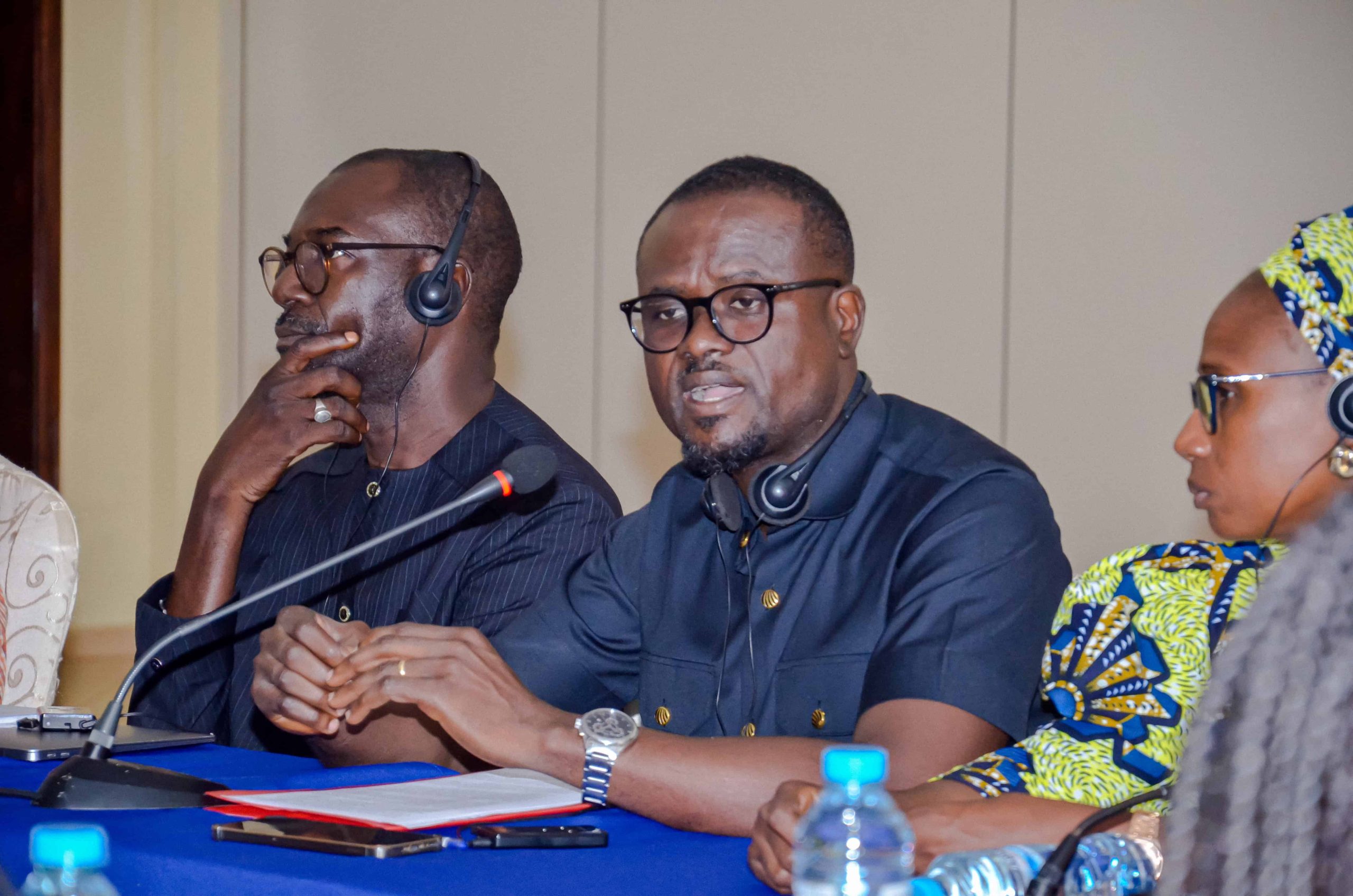
Dr. Daniel Kwame Ampofo Adjei, MFWA Institutional Development and MEL Manager
He stressed that promoting the safety of journalists requires continuous leadership, dialogue and mutual respect between journalists, political decision-makers and security institutions.
Carlos Abaitua Zarza, speaking on behalf of the European Union, reaffirmed the European Union’s commitment to protecting press freedom: “The protection of journalists is essential for freedom of information and for strengthening democracy. Security forces play an important role in ensuring that media professionals can carry out their work without fear, intimidation or attacks.”
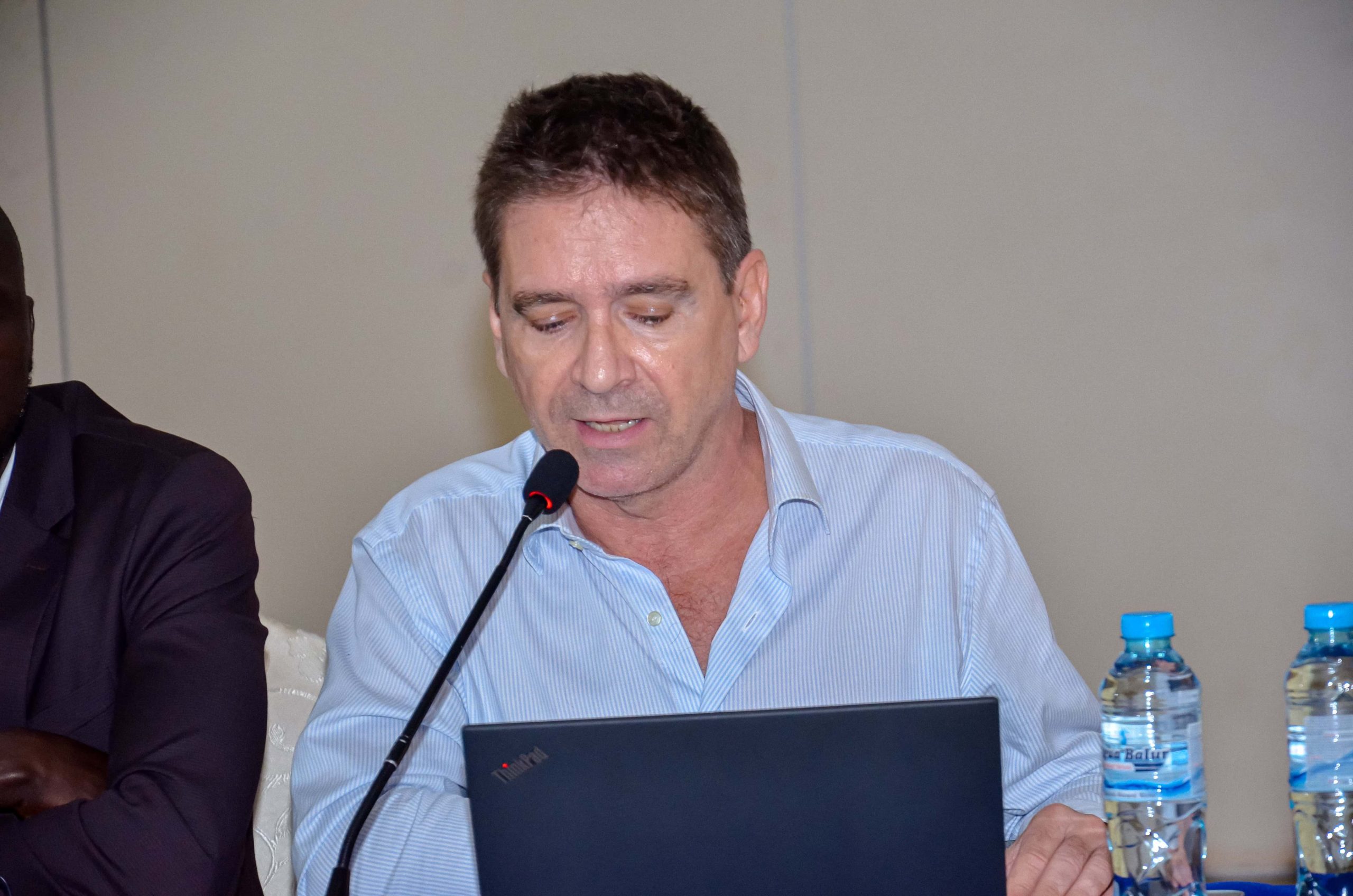
Carlos Abaitua Zarza, European Union Cooperation Attaché for Justice, Security, Gender and Human Rights in Guinea-Bissau
Representing RSF, Sadibou Marong stressed the importance of cultivating non-confrontational relations between journalists and security forces: “We have seen across Africa that relations between the media and security forces are often perceived as conflictual. However, both perform useful functions for the nation. There is no reason why they can’t sit down together and have a respectful dialog. The main objective today is to reach a consensus.”

Sadibou Marong, Director of the Sub-Saharan Africa Office, RSF
From the General Staff of the Armed Forces, Lieutenant Colonel Jorgito Biaguê expressed confidence in the positive outcome of the dialogue: “This dialogue will help us to better understand our respective roles. It’s an opportunity to seek the truth and create a healthy environment for everyone.”

Lieutenant-Colonel Jorgito Biagué, General Staff of the Armed Forces
Representing the Public Order Police, Intendant Mário Samanango also welcomed the forum: “Sometimes incidents and cases of negligence occur on both sides in the field. I hope these discussions don’t focus on pointing the finger of blame, but rather on working together as professionals with different roles.”

Public Order Police, Intendant Mário Samanango
The state entities represented included: the Ministry of the Interior and Public Order, through the Public Order Police, the Rapid Intervention Police and the National Guard; the Ministry of Defense, represented by the National Defense Institute and the Armed Forces General Staff; and the Ministry of Justice, represented by the Judicial Police and the Public Prosecutor’s Office. The National Media Council also took part in the event.
On the media side, the following were present: SINJOTECS (Union of Journalists and Media Technicians), AMPROCS (Association of Women Media Professionals), the Order of Journalists, and RENARC (National Network of Community Radios and Televisions).